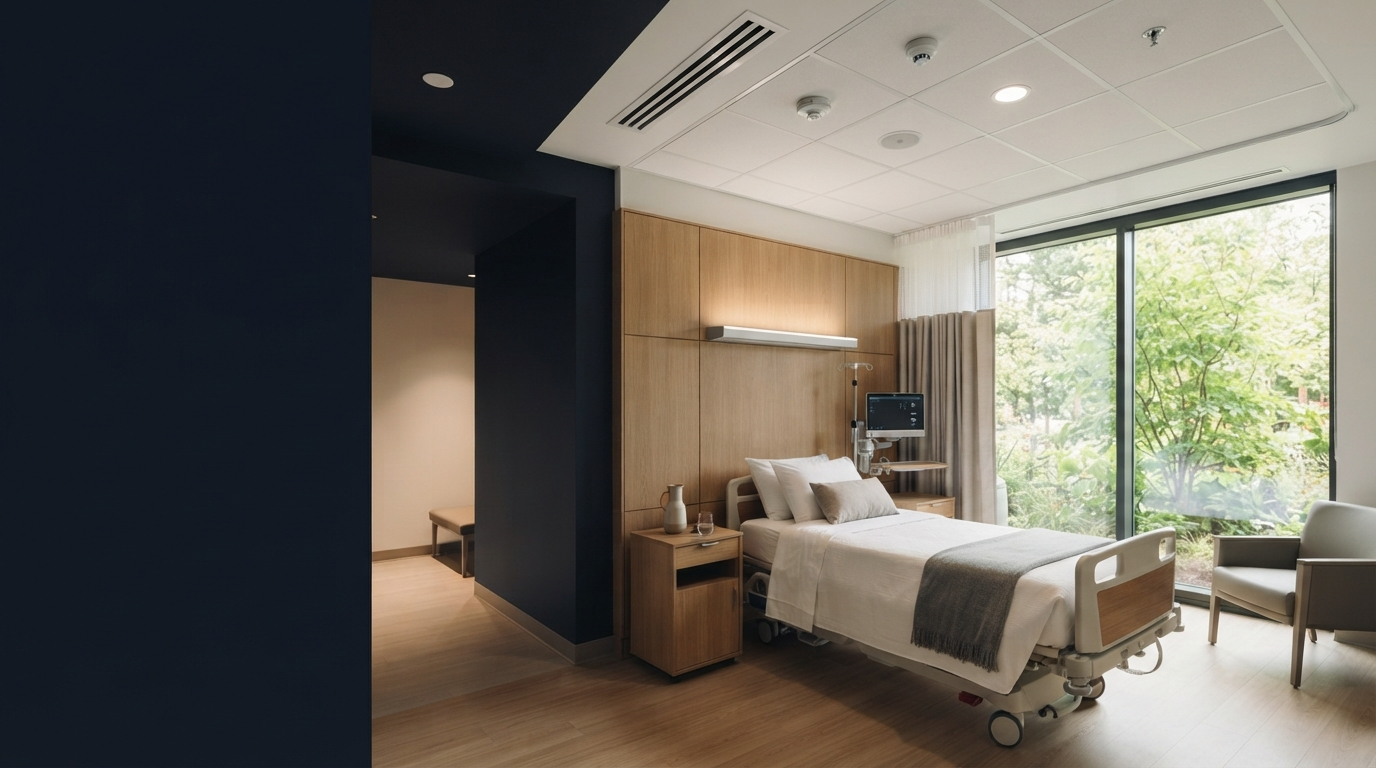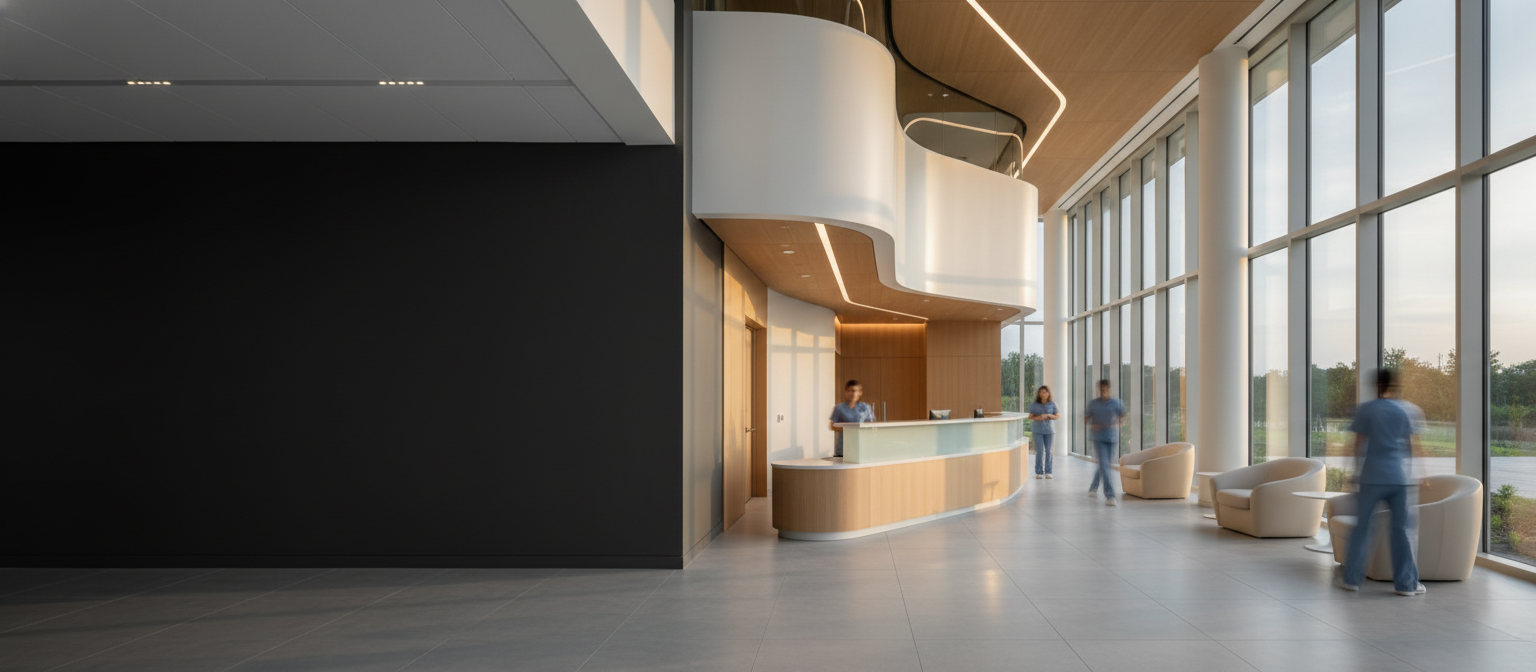

Modern hospital lobby with natural lighting and biophilic design elements
Healthcare Design Platform · Podcast · Resources

BETTER SPACES.
BETTER OUTCOMES.

Designing healthcare environments that support people, care and recovery.

Designed 4 Recovery explores the often-overlooked relationship between healthcare design and the people who experience it — patients, families, clinicians, caregivers, facility owners and healthcare leaders.

Through conversations, research, practical tools and evidence-based insights, D4R asks a simple question:

What happens when we design healthcare around the people who actually use it?

GO BEYOND THE FLOOR PLAN.

Download the free D4R Healthcare Design Assessment Checklist and start asking better questions about the environments where care happens.

GET MY FREE CHECKLIST

Newsletter

GO DEEPER THAN THE PODCAST.

Join D4R Insider for practical healthcare design insights, evidence-based ideas, new podcast episodes, research, tools and exclusive resources.

  • Practical healthcare design insights
  • Evidence translated into practice
  • New Designed 4 Recovery episodes
  • Exclusive design checklists and guides
  • Healthcare facility planning insights
  • D4R research and thought leadership

Get D4R Insider in your inbox

By subscribing, you agree to receive D4R insights, resources and occasional updates. You can unsubscribe at any time.

About D4R

WHY DESIGNED 4 RECOVERY?

A healthcare design platform exploring how architecture, evidence-based design and the built environment can improve the experience and performance of healthcare.

Evidence-Based Design

Design decisions grounded in clinical research, behavioral health science, and proven patient outcome data.

People-Centered Spaces

Trauma-informed, recovery-centered environments designed for both the people receiving care and those delivering it.

Healthcare architectural blueprints

Healthcare design is often discussed through drawings, standards, budgets and construction.

But healthcare environments are ultimately experienced by people.

  • A corridor can either create clarity or confusion.
  • A waiting area can either reduce anxiety or intensify it.
  • A clinical environment can either support staff or make their work harder.
  • A healthcare facility can meet technical requirements and still fail the people who use it.

Designed 4 Recovery exists to explore that space between design intent and lived experience.

Through conversations, research, facility review and practical design tools, D4R examines how the built environment can contribute to better healthcare experiences and outcomes.

Start Listening

D4R brings together

  • Healthcare architecture
  • Evidence-based design
  • Patient-centred design
  • Healthcare innovation
  • Facility planning
  • Healing environments
  • Staff wellbeing
  • Operational efficiency
  • Healthcare facility review
  • Healthcare design research

About the show

Designed 4 Recovery is a podcast series dedicated to healthcare architecture, recovery-centered design, and the evidence behind healing environments. Each episode unpacks how the built environment — from behavioral health facilities and clinical rehabilitation spaces to acute care units and wellness campuses — directly influences patient outcomes, staff performance, and operational results.

Whether you work in healthcare architecture, facility planning, clinical leadership, or health system strategy, this show gives you the research, perspectives, and design frameworks to create spaces that genuinely support recovery and human well-being.

Latest releases

Featured Episodes

In-depth conversations on healthcare architecture, therapeutic environments, and evidence-based design — with experts translating research into spaces that improve patient outcomes and support clinical teams.

View All Episodes
Latest episode · November 9, 2026
Listen now

New from Designed 4 Recovery

D4R Episode 41: Hospital Design for Extreme Heat - Protecting Patients in a Warming Climate

Climate-resilient hospital design for rising temperatures: protecting vulnerable patients with layered cooling, local climate adaptation, and monitoring of indoor conditions.

D4R Episode 40: The Beautiful Hospital Trap - When Aesthetics Conceal Poor Performance

Why a beautiful hospital can still underperform: five dimensions of hospital performance, post-occupancy evaluation, and a life-cycle cost approach to design.

D4R Episode 39: Designing Neuro-inclusive Healthcare Workplaces: Supporting Clinicians and Staff with ADHD, Autism, and Sensory Differences

How sensory environments, predictability, choice, and staff involvement in design can better support clinicians and staff with ADHD, autism, and sensory differences.

D4R Episode 38 with Claire Sachs: Designing Healthcare Around the People Who Live It

Claire Sachs and the host discuss trust, patient voice, dignity, autonomy, and why patients should be involved in decisions about their care.

Go deeper than the episode.

The ideas discussed in this episode are only the beginning. Use the D4R Healthcare Design Assessment Checklist to examine your own healthcare environment.

GET THE FREE CHECKLIST

FREE D4R RESOURCE

The D4R Healthcare Design Assessment Checklist

140+ questions every healthcare project team should ask before, during and after design.

Designed 4 Recovery

The D4R Healthcare Design Assessment Checklist

140+ questions

for healthcare project teams · free PDF

A practical framework for examining patient experience, workflow, safety, accessibility, staff wellbeing, environmental quality, dignity, healing and operational efficiency.

  • Patient experience
  • Workflow
  • Safety
  • Accessibility
  • Staff wellbeing
  • Environmental quality
  • Dignity
  • Healing
  • Operational efficiency
EXPLORE D4R

Facility review

D4R EVIDENCE-BASED FACILITY REVIEW

How does your healthcare environment actually perform?

Healthcare facilities should not be evaluated only by how they look.

They should be examined through the experience of the people who use them, the way care moves through them, and the evidence that informs their design.

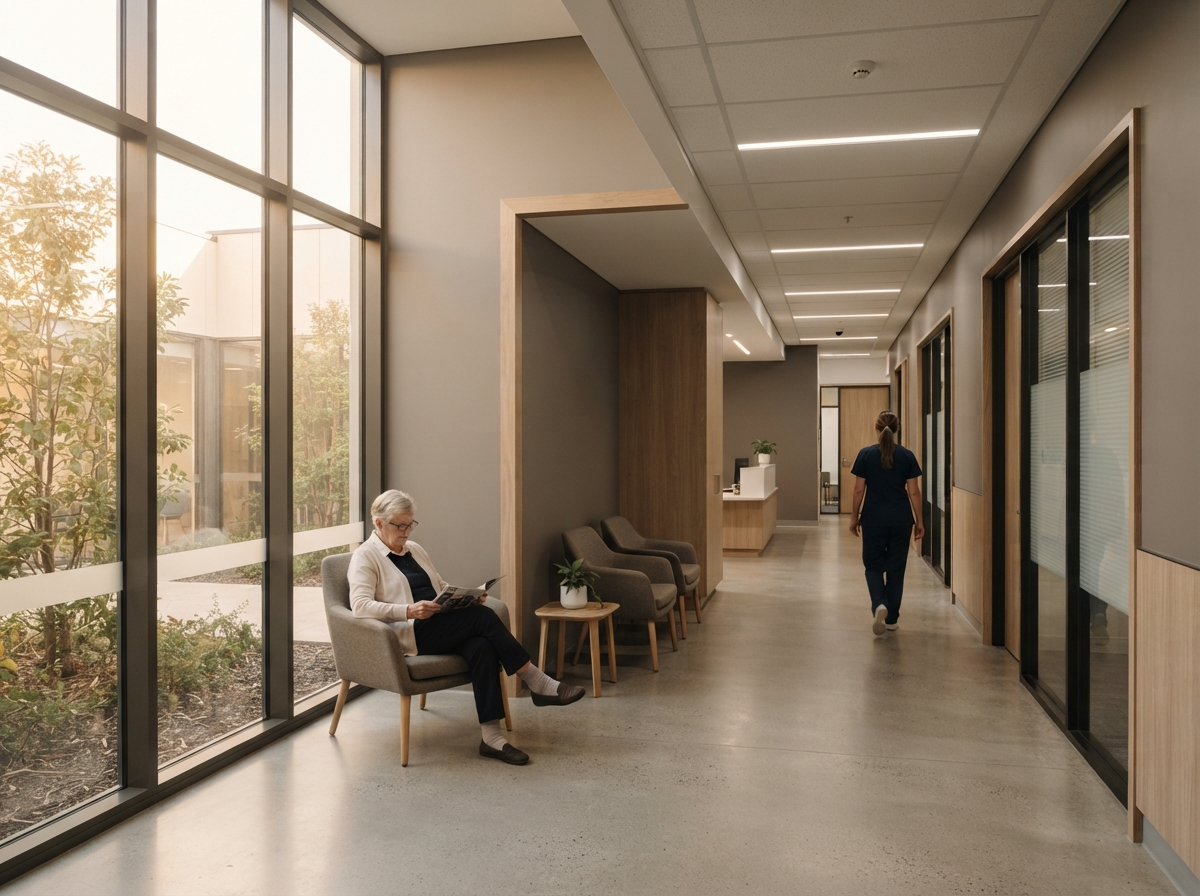
Calm hospital corridor and waiting area with natural daylight, seen from the patient perspective

Want to assess your own healthcare environment?

The D4R Healthcare Design Assessment Checklist is the starting point. For a deeper assessment of an existing healthcare facility, explore the D4R Evidence-Based Facility Review.

The D4R Evidence-Based Facility Review Framework examines healthcare environments through a structured lens that considers:

  1. 01Patient experience
  2. 02Staff experience
  3. 03Wayfinding
  4. 04Patient flow
  5. 05Privacy
  6. 06Accessibility
  7. 07Environmental quality
  8. 08Operational efficiency
  9. 09Healing environment
  10. 10Safety
  11. 11Functional relationships
  12. 12Opportunities for improvement

Cedarscape Consult

FROM INSIGHT TO IMPLEMENTATION

Turning healthcare design knowledge into better environments.

Designed 4 Recovery
Knowledge, education, research, thought leadership, the podcast and facility review.
Cedarscape Consult
Professional healthcare architecture, facility planning, design and consulting services.

Cedarscape Consult applies that knowledge to real healthcare projects through:

  • Healthcare architecture
  • Healthcare facility planning
  • Evidence-based design
  • Facility assessment
  • Healthcare project coordination
  • Human-centred design
  • Healthcare design strategy
EXPLORE CEDARSCAPE CONSULT
Adelowo Adeyemi, healthcare architect and host of Designed 4 Recovery

MEET THE HOST

Adelowo Adeyemi

Principal Architect | Healthcare Architect | Host of Designed 4 Recovery

  • ARCON
  • EDAC
  • LEED GA

Adelowo Adeyemi is a healthcare architect and facility planning specialist with a focus on evidence-based, human-centred healthcare environments.

Through Designed 4 Recovery, he explores the relationship between architecture, healthcare delivery, patient experience, staff wellbeing and operational performance.

The goal is not simply to design healthcare facilities that function.

It is to ask whether those environments help people experience better care.

Adelowo has designed clinical environments across acute care, behavioral health, and rehabilitation settings, and is a global advocate for evidence-based design and sustainable architecture. As founder of Designed 4 Recovery, he created the podcast to bridge the gap between design research and real-world healthcare practice.

Contact

Talk to D4R

Questions about the podcast, a facility review, speaking or working together? Get in touch and we will point you in the right direction.